嗯,用户让我帮忙总结一下这篇文章的内容,控制在一百个字以内,而且不需要用“文章内容总结”之类的开头,直接写描述就行。首先,我得仔细阅读这篇文章,理解它的主要观点和结构。 文章主要讨论了银行在移动恶意软件检测方面存在的“鸡生蛋,蛋生鸡”问题。也就是说,大多数银行缺乏对移动恶意软件导致的欺诈案件和损失的清晰可见性。这导致了一个经典的问题:没有专门的移动恶意软件检测工具,就无法准确识别或归因于欺诈案件;而没有硬数据,又难以证明投资这些工具的合理性。 接着,文章详细说明了现代欺诈活动如何在用户操纵和设备接管之间游走。攻击者通过侧载应用、说服用户安装恶意应用或授予权限等方式进行攻击。这些恶意软件能够在用户的设备内部执行欺诈行为,使得欺诈看起来像是合法的行为。 文章还讨论了现有的防御措施如设备智能、行为分析等为何难以应对这些复杂的攻击。现有的技术要么无法检测到设备是否被恶意控制,要么只能检测到行为异常而无法识别背后的恶意软件。 最后,文章提出了威胁情报的重要性,并介绍了ThreatFabric的解决方案,强调了结合威胁情报、设备智能和行为分析来覆盖现代移动恶意软件欺诈活动的重要性。 总结一下,这篇文章的核心在于揭示移动恶意软件带来的新型欺诈问题及其对现有防御措施的挑战,并提出整合威胁情报来应对这一问题。 </think> 文章探讨了银行在移动恶意软件检测方面的“鸡生蛋”困境:缺乏清晰的数据导致难以投资专用工具。现代欺诈活动结合用户操纵与设备接管,传统防御措施如行为分析和设备智能难以应对。引入威胁情报成为关键解决方案。 2026-4-2 12:3:22 Author: www.threatfabric.com(查看原文) 阅读量:25 收藏
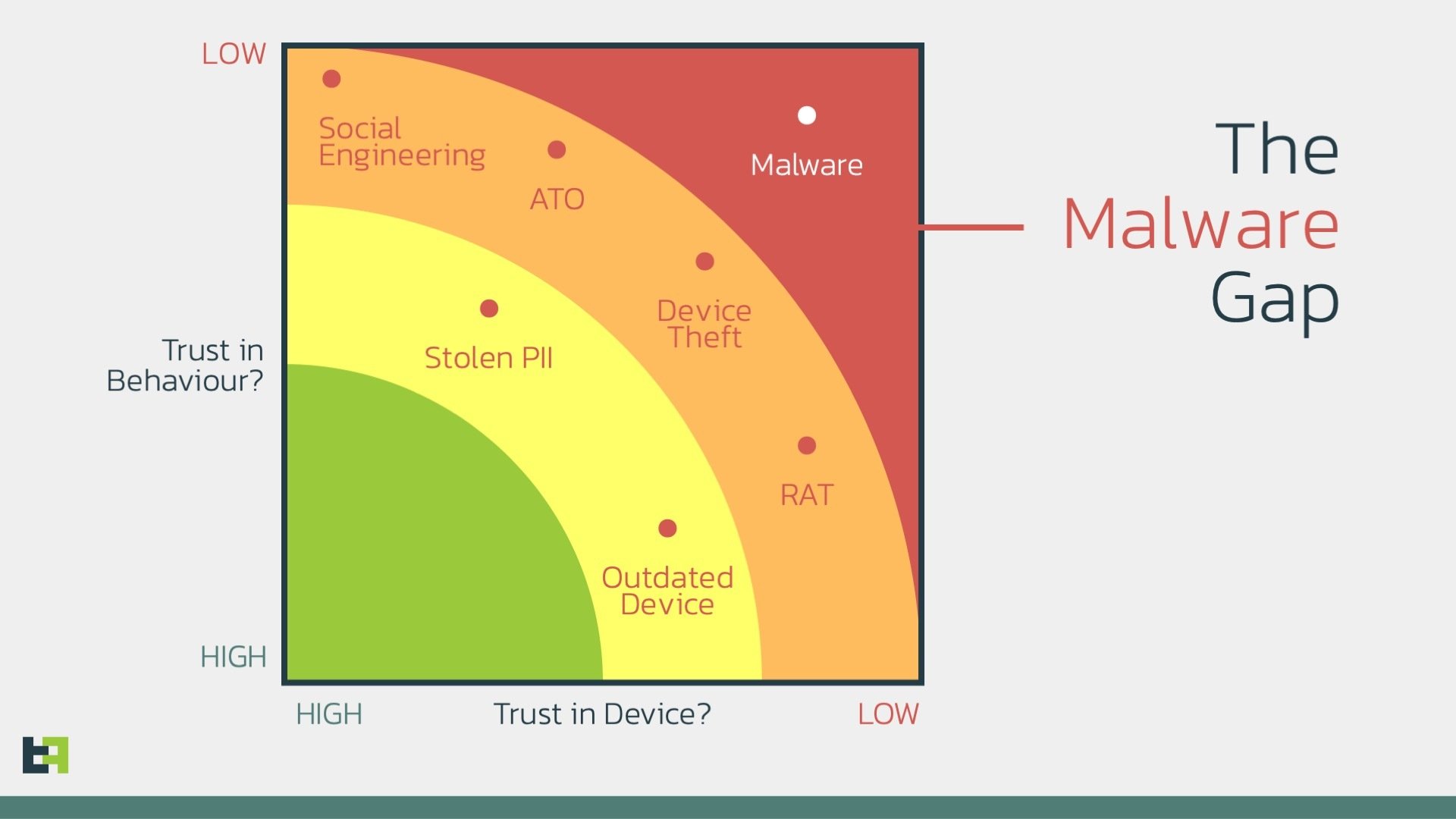
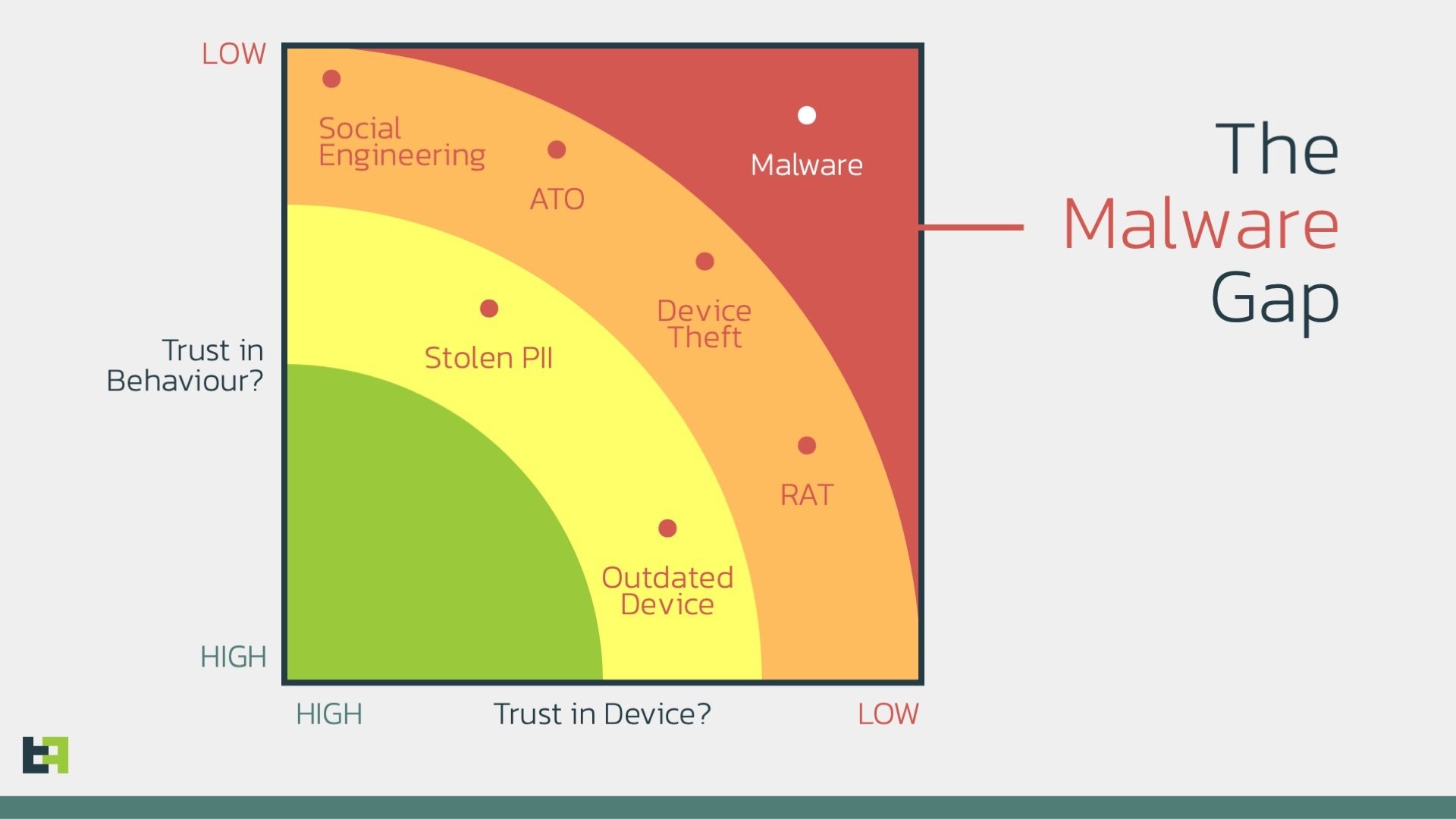
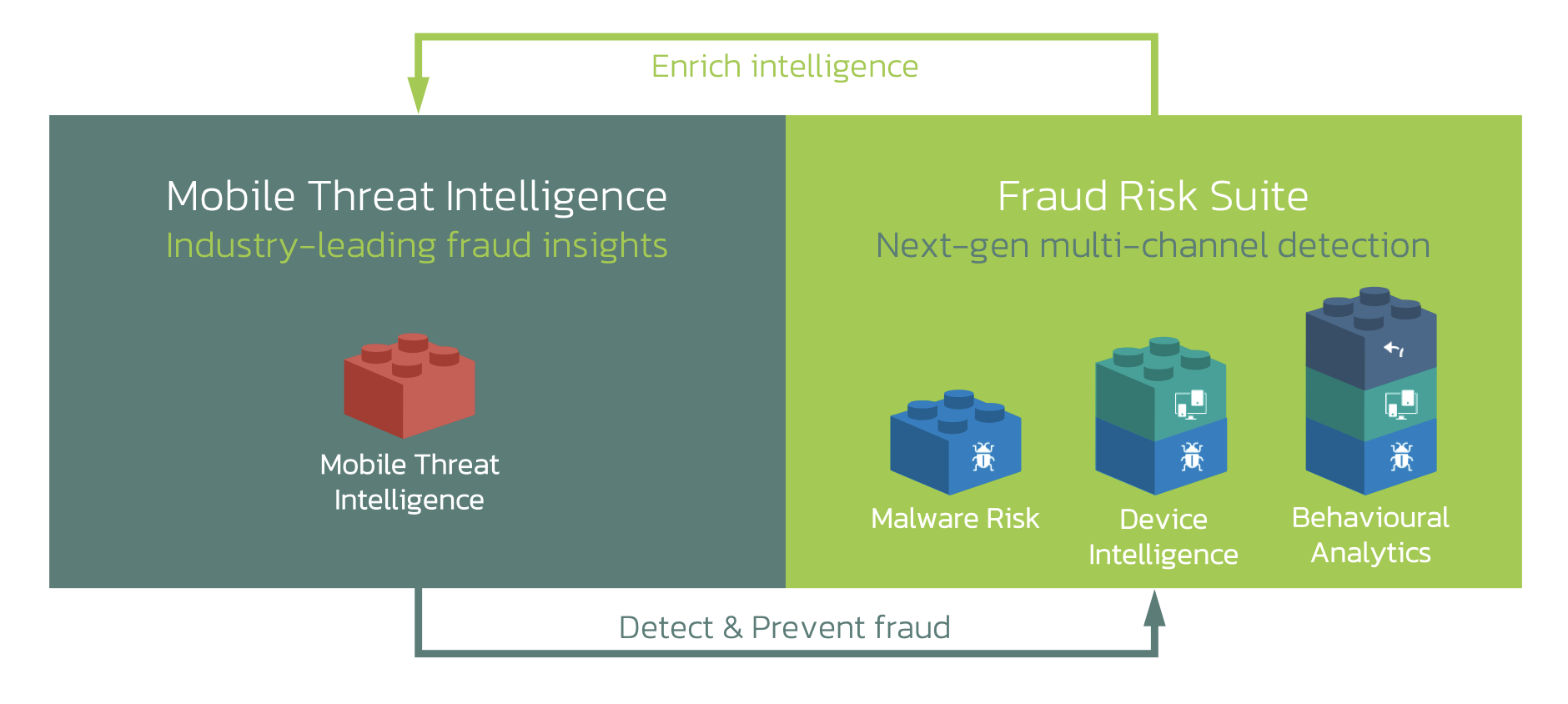
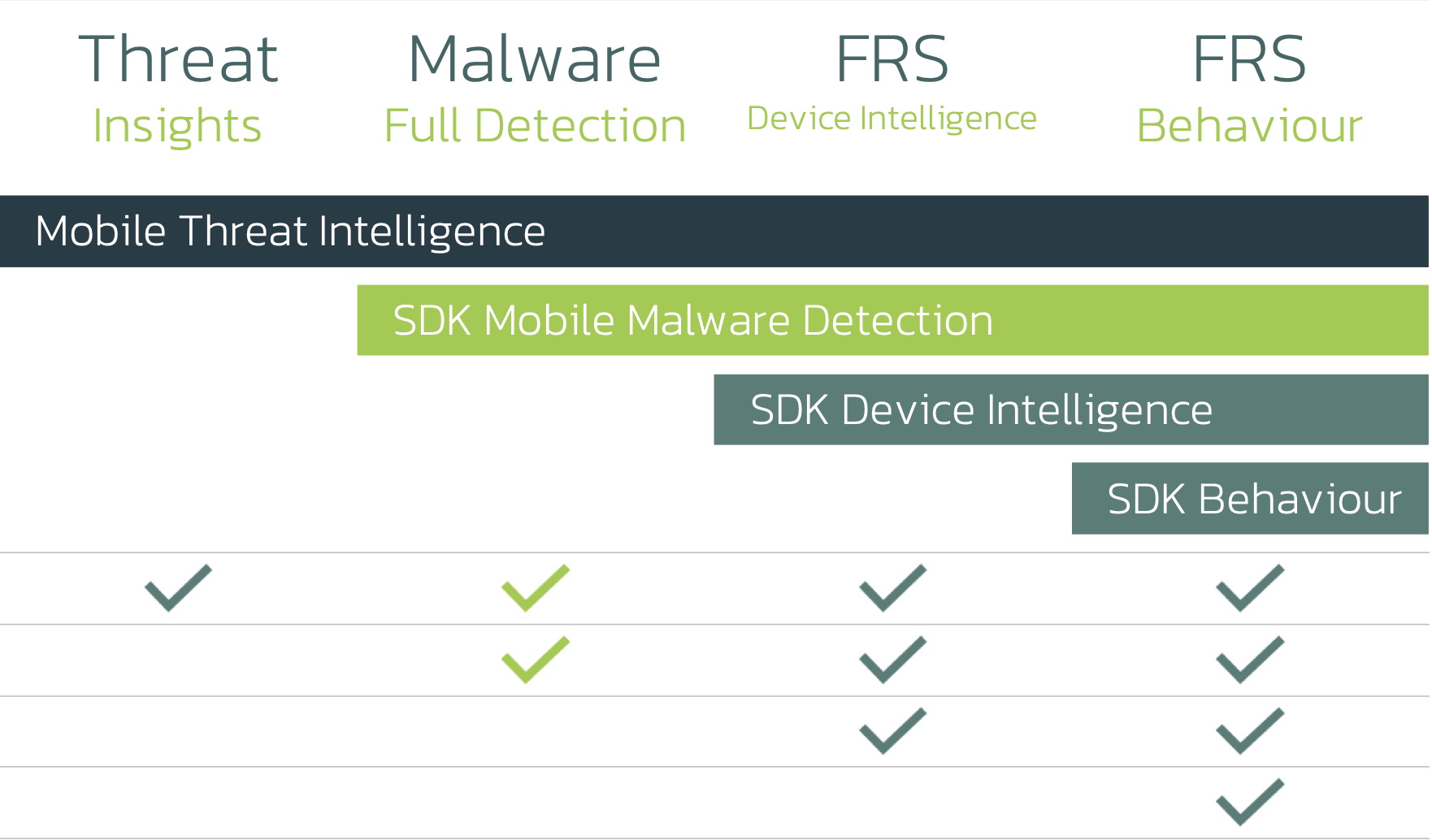
Most banks lack clear visibility into how many fraud cases and losses are driven by mobile malware. This creates a classic chicken‑and‑egg problem: without dedicated mobile malware detection, cases cannot be accurately identified or attributed; without hard data, it is difficult to justify investment in such tooling. Existing fraud reporting frameworks compound the issue. “Unauthorised fraud” is often a catch‑all category that blends very different modus operandi, including account takeover, card‑not‑present fraud, and mobile malware attacks. At the same time, fraud prevention models still draw a line between social engineering and technical compromise—a distinction that no longer reflects today’s reality. Modern fraud campaigns increasingly operate in the grey area between user manipulation and device takeover (DTO). Apps are sideloaded, victims are persuaded to install apps, approve permissions, or follow instructions that appear legitimate. From there, malicious software takes control inside the customer’s own device, executing fraud from an environment that looks trusted and familiar. This convergence is not accidental. It reflects a deliberate shift by attackers toward mobile platforms, where device trust, user familiarity, and fragmented controls intersect. The result is what can be described as the Malware Gap: a structural blind spot between fraud controls designed for user behaviour and those designed for device context. Most organisations have invested sensibly in fraud prevention, but along organisational lines rather than attacker logic. Each control stack is mature in isolation. The problem is that mobile malware campaigns span all of them. A campaign may begin as social engineering, transition into technical compromise, and end as fully automated fraud. When controls are not designed to share intent and causality, attackers move through the gaps between them. It is tempting to assume that combining technologies across device and behaviour should close most gaps. In practice, this combination still misses a critical dimension. Device protection & RASPs are primarily descriptive. It answers questions such as: It does not answer whether the device is under malicious control. Behavioural analytics focus on interaction patterns: Mobile malware is designed to operate within those expectations. Banking trojans regularly execute actions using the accessibility framework, overlays, or remote control modules that preserve human‑like timing and interaction patterns. Transactions originate from the victim’s own device, often during an authenticated session, making behavioural deviations subtle or absent. The result is fraud that looks legitimate until it is financially visible. The Mobile Malware Gap emerges at the point where fraud detection assumes a trustworthy endpoint. Mobile malware today is: Malware authors have found many ways around device controls: Because the malware operates inside or around the trusted device boundary, controls that rely on device legitimacy or user familiarity fail to recognise the threat. A simplified but representative campaign follows these steps: At no point does the device necessarily “look suspicious” in a generic sense. It remains a “trusted device”, and Device ID’s, network ID, IP adresses, and Geolocation don’t change. Malware Technique Generic Device Intelligence & RASP Behavioural Analytics Official app store distribution Not detected Not detected Sideloading Some RASPs flag at interaction time Not detected Delayed activation Not detected Not detected Accessibility abuse Rarely detected Not detected Overlay credential theft Not detected Occasionally anomalous Automated transaction execution Not detected Sometimes flagged late Known malware family reuse Not detected Not detected Malware Device Intelligence operates at a different layer. Instead of asking whether a device is “normal,” it asks whether malicious capabilities are present and active. This includes: This shifts detection earlier in the attack lifecycle, before financial loss occurs, and enables campaign‑level visibility rather than case‑by‑case reaction. This pre-empts fraud. Malware intelligence isn’t a replacement, it’s a multiplier. Its value emerges when combined with existing signals: Together, these signals allow organisations to distinguish between: This distinction is operationally critical, particularly in reimbursement regimes and customer communication. Mobile Malware Campaigns evolve quickly, move across geographical regions, and target different brands over time. In other words, mobile malware is: Static detection logic fails quickly. Appending Malware Aware Detection & Threat Intelligence enables: Without intelligence feeding the detection layer, SDKs become blind to the next campaign wave—often within weeks. Intelligence is the only way to pre-empt campaigns. The malware gap exists because fraud stacks were built around clearly defined scenarios, not hybrid scenarios with hostile code operating inside user devices. The Mobile is the Crime Scene. Many malware campaigns evade a combination of Behavioral Analysics and Device Intelligence. As fraud continues to shift toward mobile and device takeover: Closing the Mobile Malware Gap is not about adding another score—it is about seeing the attack path clearly, end to end, and acting before fraud becomes indistinguishable from legitimate behaviour. ThreatFabric offers Full Malware Device capabilities in any Fraud Prevention stack, by adding intent, campaign level attribution, malware classification, and malware capabilities to detection. These functions are built on Threat Intelligence, and synergize with Device Intelligence and Behavioural Analytics – to cover modern malware fraud campaigns, hybrid campaigns and anything imaginable in the foreseeable future.Introduction: The chicken and egg problem
Fragmented defences, coherent attackers
Why Device Intelligence and Behavioural Analytics still fall short
The Mobile Malware Gap
Anatomy of a typical mobile malware campaign
What traditional controls see – and miss
The common failure mode is clear: controls see effects, not causes.Malware Device Intelligence: adding intent and attribution
Synergy: where signals become meaningful
Why Threat Intelligence is non‑optional
Conclusion: closing the gap requires seeing the attack path
ThreatFabric’s Malware Fraud offering
如有侵权请联系:admin#unsafe.sh