
Let's learn about Backend Development via these 78 free blog posts. They are ordered by HackerNoon r 2026-7-12 02:1:8 Author: hackernoon.com(查看原文) 阅读量:20 收藏
Let's learn about Backend Development via these 78 free blog posts. They are ordered by HackerNoon reader engagement data. Visit the Learn Repo or LearnRepo.com to find the most read blog posts about any technology.
Backend development involves programming and maintaining the server-side logic, databases, and APIs that power an application's frontend. It matters as it ensures the functionality, security, and performance that users interact with.
1. How To Choose A Server Stack At Product Launch

Gain valuable insights from a senior backend developer on choosing the perfect server stack for your project.
2. Setting up a GraphQL Server and Client in Next.js

This tutorial will explore how to create a GraphQL server and client with Next.js to provide a more efficient and flexible development experience for our users.
3. Roadmap to Becoming a Badass Java Backend Developer

Here's a Simple and Structured Roadmap to Becoming One (with youtube videos)
4. Build a Login and Logout API using Express.js (Node.js)
Step by step to build Node.js Express Registration, Login, and Logout API using JWT and Cookies - Node.js Express Login API with MongoDB (Mongoose) database.
5. Real-life LLM Implementation: A Backender’s Perspective

In this article, I would like to explore the advantages and disadvantages of various large language models and share thoughts on potential issues
6. How Maruti Techlabs Simplified Medicare Policy Sales for HealthPro Insurance, Cutting Processing Time by 50%

Maruti Techlabs automated policy data management for HealthPro Insurance, improving efficiency, reducing manual effort, and enhancing data accuracy.
7. Understanding Proxies and Reverse Proxies in Backend Engineering
In backend engineering, proxies and reverse proxies are essential tools that help to manage traffic, improve performance, and enhance security.
8. How to Implement Client-Side Interceptors for Logging GRPC Requests

Our implementation will be straightforward; we will store requests and responses in Queues, and then put this data to MDC.
9. Facilitating a Seamless Backend Transition From LevelUp to Paytronix

Discover how Maruti Techlabs ensured a seamless transition for Ann’s Boba Tea from LevelUp to Paytronix, preventing downtime and enhancing user experience.
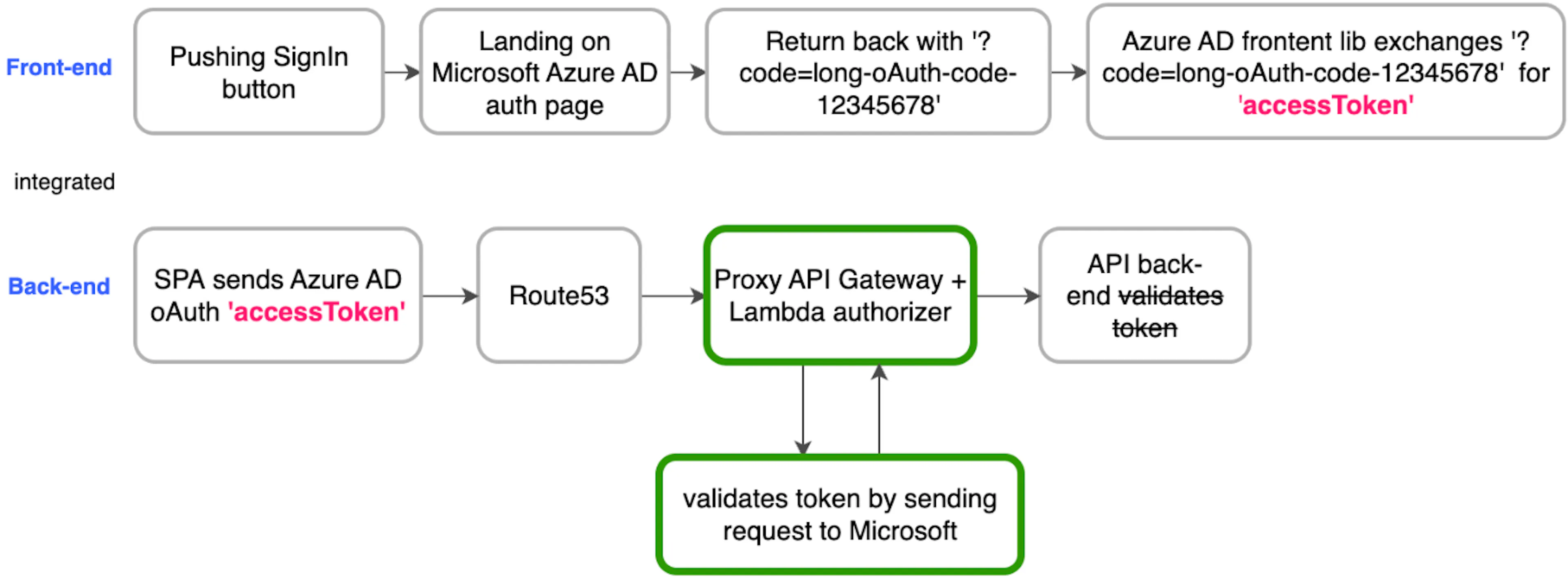
On one of the projects I worked on, there were 8 services that used Auth0 for front-end authentication and a rotated static token for back-end authentication.
11. TCP / IP Stack - Simplified for Web Developers 🌍🧑🏻💻

TCP / IP model is not a physical thing. It is a conceptual model used to understand how communications are made over the Internet, and consists of 4 layers.
12. How to Build Your Own Observability Platform on Kubernettes

End-to-end full observability using Odigos and other back-end observability tools.
13. Software Architects' headache - the Integration Point
Today we will talk about a software architecture pattern of Architecture Points. Architects might find this knowledge interesting in solving their problems.
14. Building a RESTful API Service in Go Without Having Repetitive Boilerplate
How to build a RESTful API service without repetitive boilerplate and hassle.
15. Blockchain Development Through the Eyes of a Backend Developer

A seasoned backend developer shares their insights on transitioning to blockchain development.
16. Node.js 24 LTS Is Here—Your Backend Has No Business Being Stuck in 2022
Upgrade time: Node.js 24 enters LTS with modern APIs, better performance, and support through 2028—pushing teams to modernize stacks and tooling.
17. Building a Secure Web Chat With Redis, mTLS and GCP

Securing Redis installation with mTLS and accessing it from a compute instance on GCP for free.
18. Frontend vs Backend: All the Differences Explained
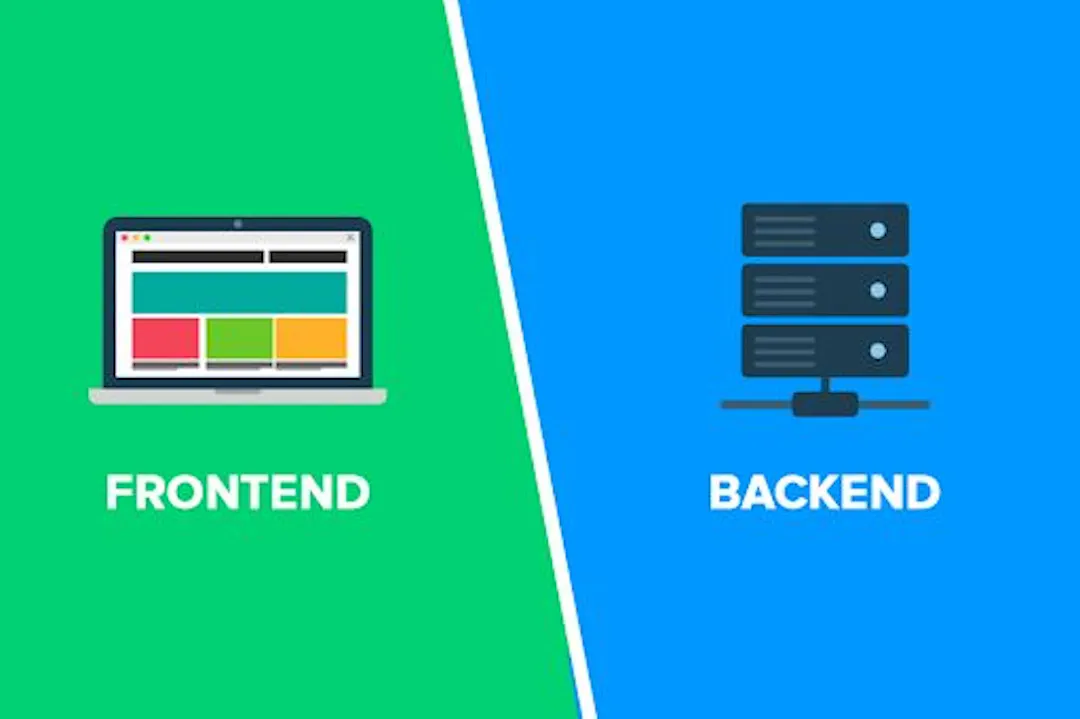
With the evolution of technologies, both front-end and backend have evolved to a great extent. The difference between the two is what we are going to discuss.
19. Turn Any Photo Into Any Look: flux-2-klein 9B LoRA for Image-to-Image Editing

A practical guide to fal-ai’s FLUX.2 Klein 9B LoRA editor—recolor, restyle, and batch-transform images while preserving content.
20. How to Access Django Server from Flutter App on Android
Learn how to simplify API testing for your Flutter app by accessing your Django backend from different devices.
21. A Breakdown of Software Development Types for Small Businesses
Want an in-depth knowledge of the top software development services? Hire a custom software development company today!
22. Getting Started With Node.js Is Simpler Than You Think
This is a beginner-friendly introduction to Node.js and how to set it up to kickstart a new project. It explains npm, dependencies, and how to install them for
23. Django 6.0 Is Here: Background Tasks, Partials, and Why We Might Finally Delete Celery
Django 6.0 introduces native background tasks, template partials, built-in CSP, and key upgrades that modernize the framework for today’s web apps.
24. A Lightweight, Open-Source Backend You Can Set Up in Minutes
Learn how to build a fast, self-hosted backend with real-time updates, authentication, and storage—all from a single file, deployable in minutes.
25. Hosting Your Node JS Backend Application with AWS EC2 New UI (2024 Edition)
Learn how to host your Node.js backend application on AWS EC2 with the latest UI updates for 2024.
26. Building a Scalable Node Abstract Repository for MongoDB

Lightweight abstract and polymorphic MongoDB repository implementation for Node.js apps
27. The Top Backend Development Frameworks in 2023

Take a look at our annual breakdown of the top web backend frameworks in 2023. Leading the list is the clear leader NodeJS.
28. Chat Is a Terrible Interface for Agents—and 2026 Will Prove It

Building AI Agents? I tried Angular, HTMX & Python. They failed. Discover why A2UI is the declarative protocol to replace basic chatbots.
[29. Which JavaScript Runtime Should
You Choose for Your Startup?](https://hackernoon.com/which-javascript-runtime-should-you-choose-for-your-startup)
Find out which of the server-side runtime should you choose for your next startup or project: Node.js or Deno?
30. Building a Simple REST API in Go Without Frameworks
Learn how to build a RESTful API in Go from scratch using only the net/http package, in-memory data, and mutex for concurrency.
31. Singularity: Streamlining Game Development with a Universal Backend Framework

Discover how Andrey Makhorin and the team at Pixonic developed Singularity, a universal backend framework for game development.
32. How to Upgrade to PHP 8.5 Without Breaking Your Codebase
A practical guide to upgrading to PHP 8.5, covering new features, key deprecations, safer patterns, and tips for cleaner, more reliable code.
33. How to Start a Career as a Junior Developer in 2026

The "Junior Developer" role is collapsing (down 46%), but a new path is emerging.
34. Nobody Serious Uses One AI Coding Model Anymore

A practical look at multi-model AI coding, from Grok and Claude to Codex and Gemini, and why one model is no longer enough.
35. Entity Framework vs Dapper: Which ORM Should You Use for Your Next .NET Project?
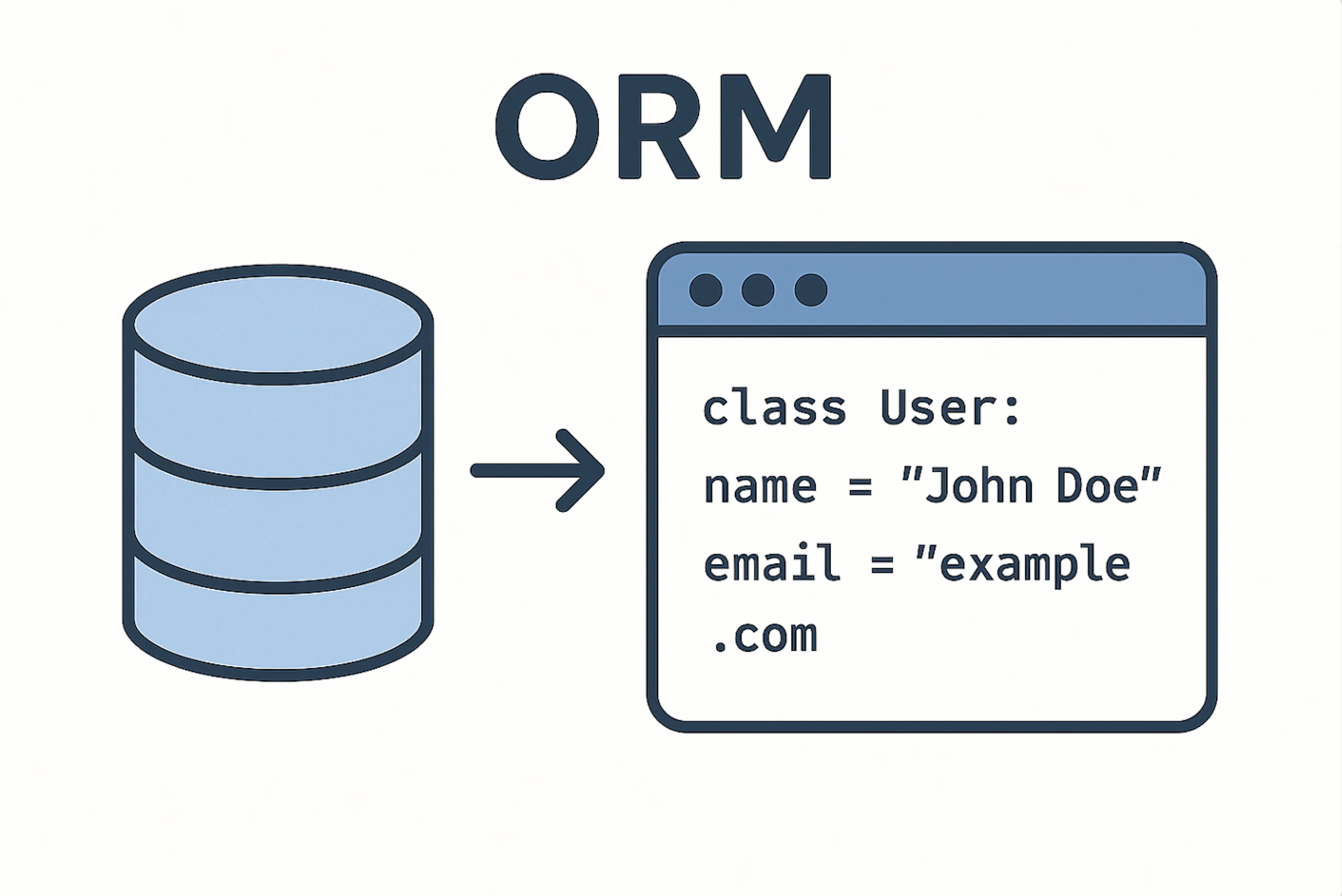
Entity Framework vs Dapper explained. Learn which ORM delivers better performance, flexibility, and control for your next C# .NET project.
36. Infrastructure as Code – Whose Responsibility Is It?

In my experience, the development of microservice architecture and infrastructure go hand in hand. It's hard to imagine these tasks handled by separate teams.
37. Gopher Pythonista #1: Transitioning from Python to Go

The transition from one language to another doesn't need to be hard. Especially, when you are building backend apps in Python and you want to switch to Go.
38. How to Accidentally Build a Programming Language While Cleaning Redis
I tried to clean Redis. I accidentally built a programming language. A true production story about business rules, JSON, and unintended complexity.
39. Don't Choose Between Creating Automated Tests or Implementing New Features: Try This Tool Instead

How to create integration tests for an API server with 90% Code Coverage in 1 hour without writing any code.
40. Building an Open-Source Python API (Tribal) Using the Django REST Framework - Part Three
I am happy to give comprehensive tuition on building and deploying an open-source grade REST API using the Django REST framework.
41. Software Values: Tech Stacks, Minimalism, and More
What values do you consider important in developing your software? How to put into practise design-to-development principles in software development?
42. The UI: Why It's the Real AI Agent Bottleneck

We need to stop treating the UI as an afterthought. It’s a critical component for unlocking the value of AI agents in the enterprise.
43. Why Most Database Migrations Fail Silently: 5 Hidden Failure Modes in Zero-Downtime Replatforming

After 7 major replatformings over 11 years, I've cataloged 5 hidden failure modes that silently break database migrations weeks after everyone stops watching.
44. Single-Threaded Node.js is a Myth
Node.js is Not Single-Threaded and this article explains why.
45. Build a Mini “Photoshop Factory” in Python: Gradio + Cloud Run + AI
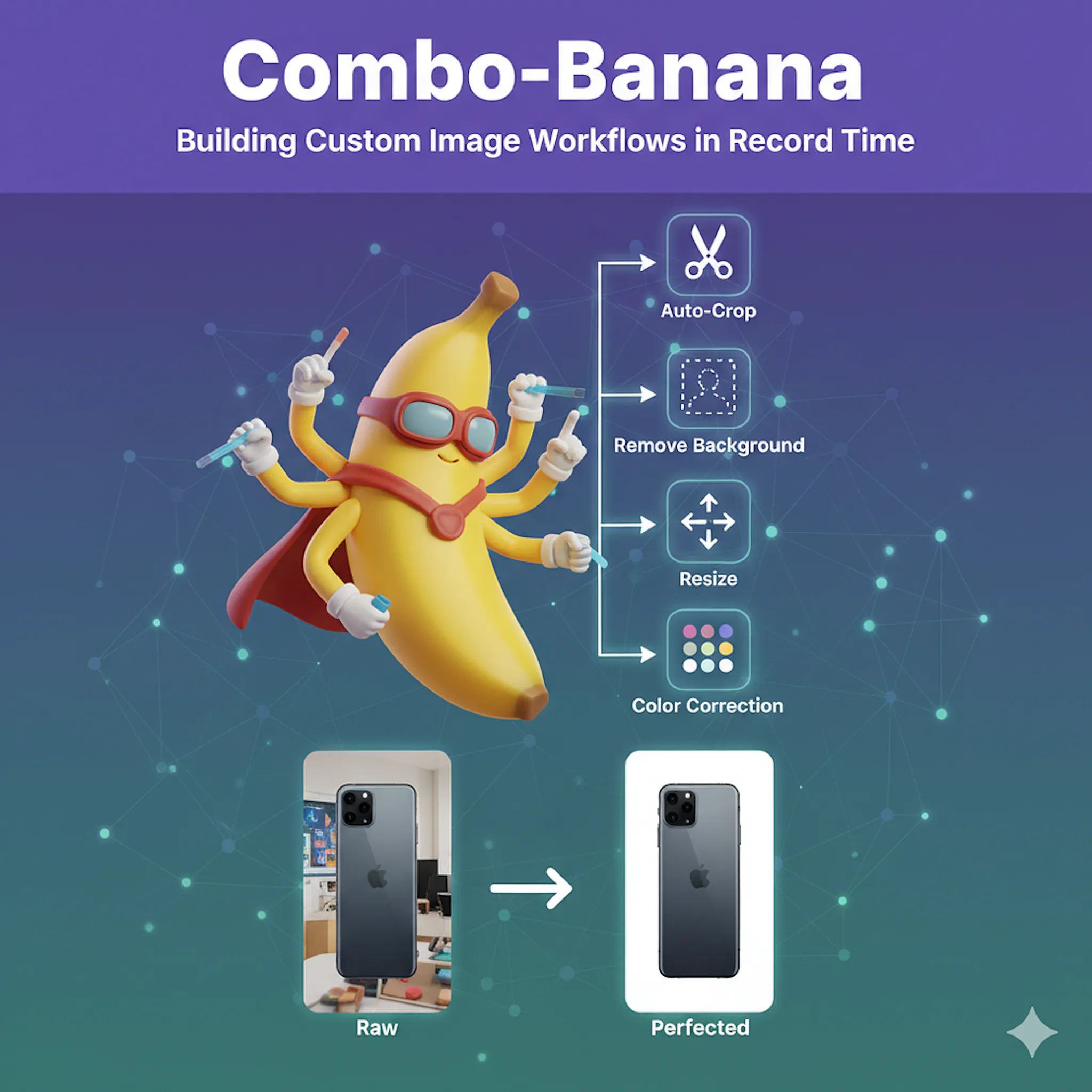
Streamline retail image editing with Combo Banana, a prototype automation tool built with Gradio, Nano Banana, and Google Cloud Run.
46. The Secret Weapon of Developers Who Want to Sleep at Night

Clean code is your secret weapon. It’s the key to fewer late-night debugging sessions, fewer headaches for your future self, and more time for yourself.
47. From Code to Capital: A Fintech Expert’s Journey into the Future

In this interview, Oleg Kubrak shares his journey, a story of relentless curiosity and precision.
48. The Metrics Review Ritual That Turns Product Work Into Revenue

If I could point to one of the turning points of that made Codecademy’s revenue takeoff, it was the introduction of a metrics review process to the product t...
49. Why Microservices Struggle With AI Systems
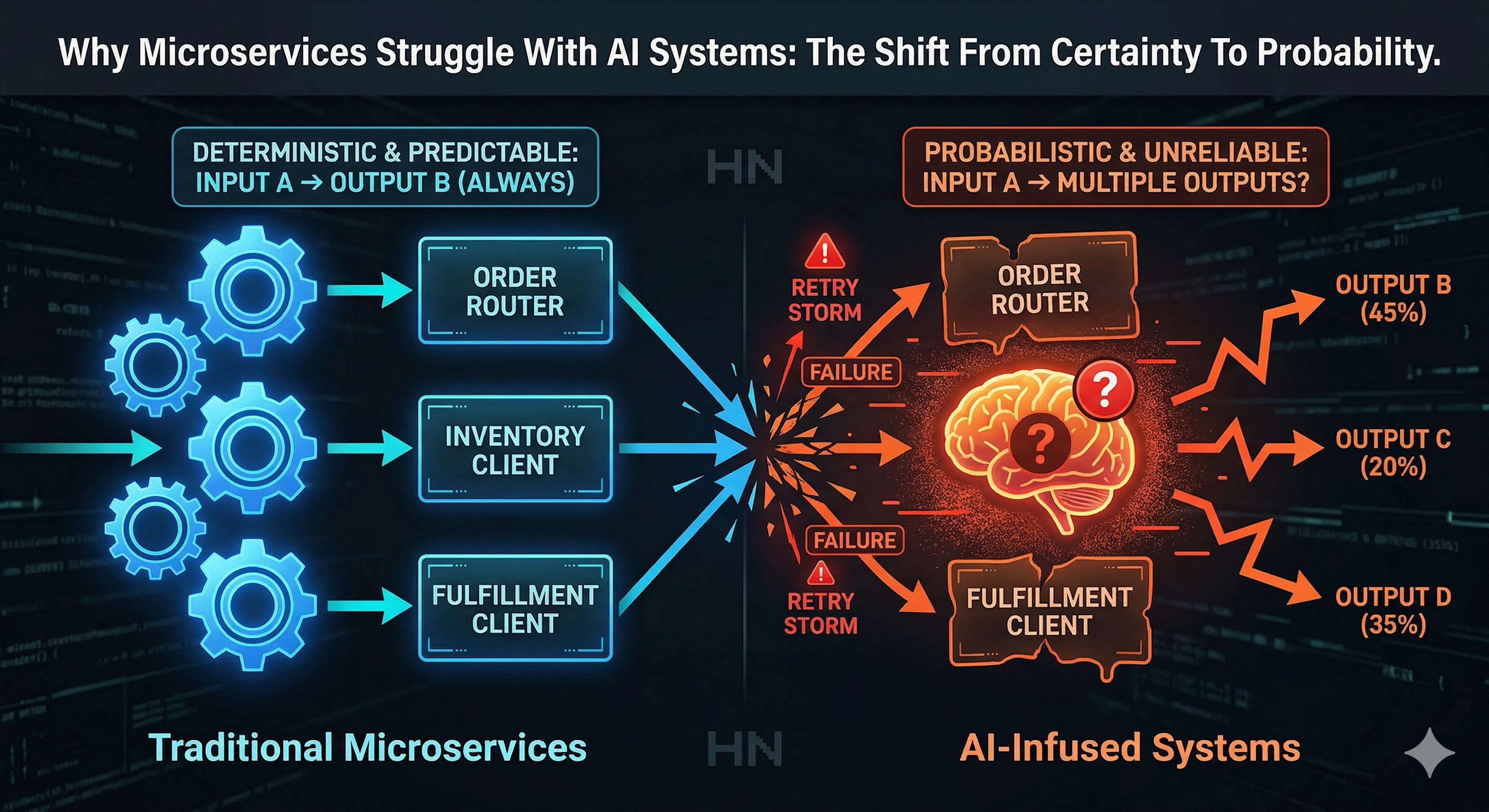
Microservices become unpredictable with AI. Learn why AI breaks traditional assumptions and how to design resilient, failure-ready systems.b
50. How to Make Your Fetch Requests Production-Ready

In this article, we will explore how to make your fetch requests production-ready using a library called ffetch.
51. Need for Speed: 21+ Website Performance Optimization Techniques

We've compiled 21+ tried-and-true ways to optimize performance and make your software scream.
52. How to Build Backends Lightning-Fast With YAML: Digesto

Digesto is an experimental Node.js library that lets you define your data model in a YAML file
53. Legacy Modernization Doesn’t Fail at Scale — It Fails at Boundaries
Legacy modernization fails at implicit boundaries, not scale. Learn how API contracts, validation, and error handling prevent silent production failures.
54. The Compact Image Editor That Still Understands Your Intent: VIBE-Image-Edit

This is a simplified guide to an AI model called VIBE-Image-Edit [https://www.aimodels.fyi/models/huggingFace/vibe-image-edit-iitolstykh?utm_source=hackernoon&utm_medium=referral] maintained by iitolstykh [https://www.aimodels.fyi/creators/huggingFace/iitolstykh?utm_source=hackernoon&utm_medium=referral]. If you like these kinds of analysis, join AIModels.fyi [https://www.aimodels.fyi/?utm_source=hackernoon&utm_medium=referral] or follow us on Twitter [https://x.com/aimodelsfyi].
MODEL OVERVIEW
VIBE-Image-Edit is a text-guided image editing framework that combines efficiency with quality. It pairs the Sana1.5 diffusion model (1.6B parameters) with the Qwen3-VL vision-language encoder (2B parameters) to deliver fast, instruction-based image manipulation. The model handles images up to 2048 pixels and uses bfloat16 precision for optimal performance. Unlike heavier alternatives, this compact architecture maintains visual understanding capabilities while keeping computational requirements reasonable for consumer hardware. The framework builds on established foundations like diffusers and transformers, making it accessible to developers already familiar with the ecosystem.
MODEL INPUTS AND OUTPUTS
The model accepts natural language instructions paired with an image to understand both what changes should occur and where they should happen. It processes these inputs through its dual-component architecture to generate coherent edits that respect the original image composition while applying the requested modifications.
INPUTS
- Conditioning image: The image to be edited, supporting resolutions up to 2048px
- Text instruction: Natural language description of desired edits (e.g., "Add a cat on the sofa" or "let this case swim in the river")
- Guidance parameters: Image guidance scale (default 1.2) and text guidance scale (default 4.5) to control edit intensity
OUTPUTS
- Edited image: A single or multiple edited versions of the input image matching the text instruction
- Variable quality levels: Output quality controlled through inference step count (default 20 steps)
CAPABILITIES
This model transforms images based on written instructions without requiring mask inputs or additional prompts. It handles diverse editing tasks from simple object additions to complex scene modifications. The multimodal understanding from Qwen3-VL ensures instructions align properly with visual content, reducing the gap between user intent and generated results. The linear attention mechanism in Sana1.5 enables rapid inference, generating edits in seconds rather than minutes. It maintains image coherence across different scales and aspect ratios, supporting both square and rectangular compositions.
WHAT CAN I USE IT FOR?
Content creators can use this model to prototype design changes before committing to manual edits. E-commerce platforms could enable customers to visualize product modifications in context. Marketing teams can generate multiple variations of images for A/B testing without hiring designers. Social media creators could quickly iterate on visual content. The model also supports integration into commercial applications, though it operates under SANA's original license terms. Developers building image editing tools can leverage this framework as a backend engine for their applications.
THINGS TO TRY
Experiment with varying guidance scales to control how dramatically the edits change the original image. Lower image guidance produces looser interpretations while higher values preserve more of the original composition. Test complex multi-step instructions like "add snow falling and make the trees more vibrant" to see how well the model handles compound edits. Try different image aspect ratios beyond standard square formats to explore the model's flexibility. Adjust the number of inference steps to find the balance between speed and quality for your use case—fewer steps run faster but may produce cruder results. Use style keywords in instructions (similar to how prompt engineering works in image generation) to guide the aesthetic direction of edits.
Original post: Read on AIModels.fyi [https://www.aimodels.fyi/models/huggingFace/vibe-image-edit-iitolstykh?utm_source=hackernoon&utm_medium=referral]
55. Here's Why Polyglots Have an Advantage
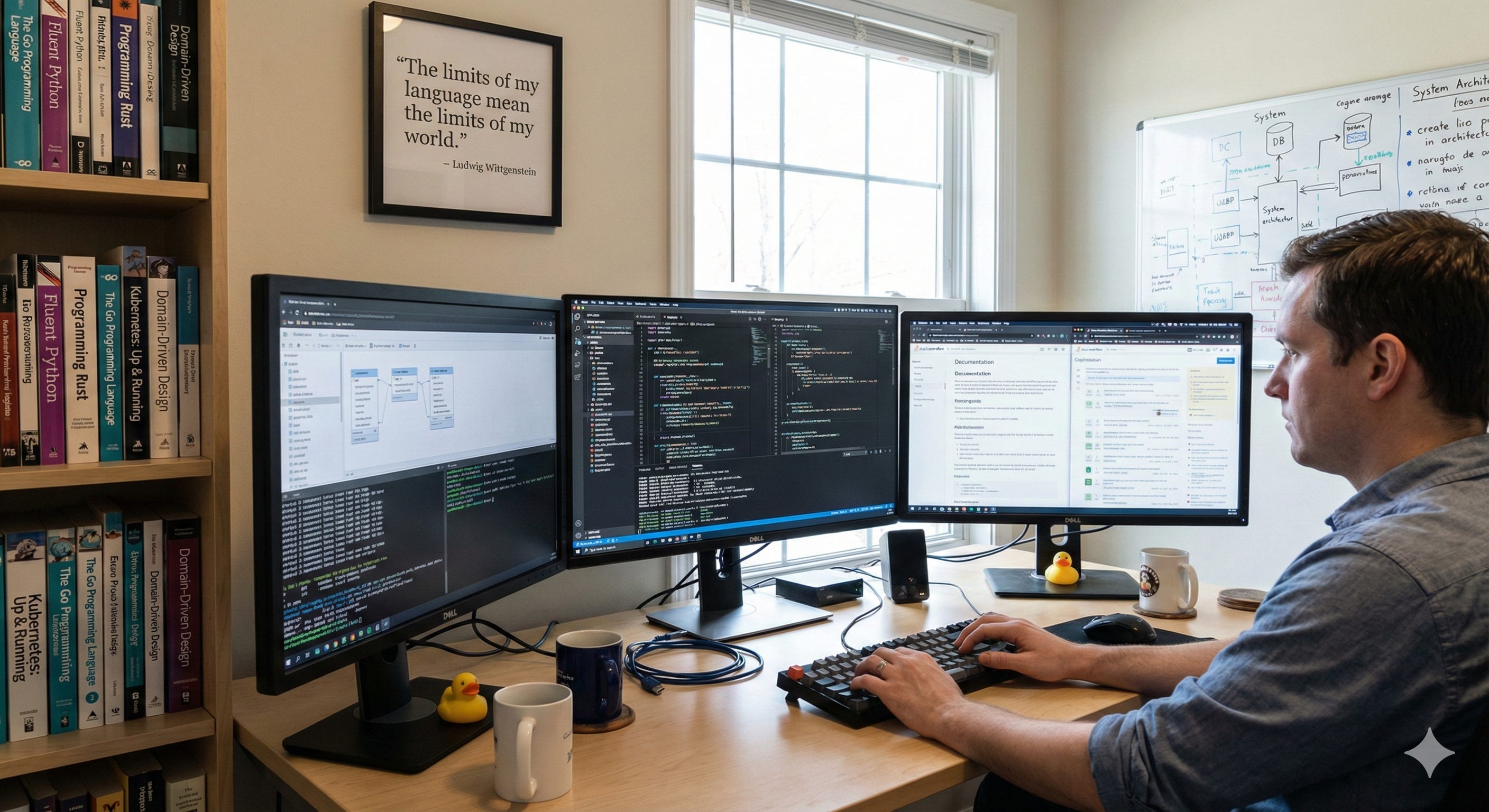
If your company needed a real-time service tomorrow, could you evaluate Go versus Node.js versus Elixir objectively? Or would you default to what you know?
56. How to Organize Your Go Projects Like a Pro

Beginner’s guide to structuring Go projects with packages, internal folders, and imports — using a calculator project as an example.
57. Why GraphQL Can Simplify Nested Data Fetching

A blunt breakdown of how GraphQL stacks up against REST. Real trade-offs, examples, and none of the fluffy evangelism that usually in infects API debates.
58. Your API Is Not Plumbing. It’s the Product.
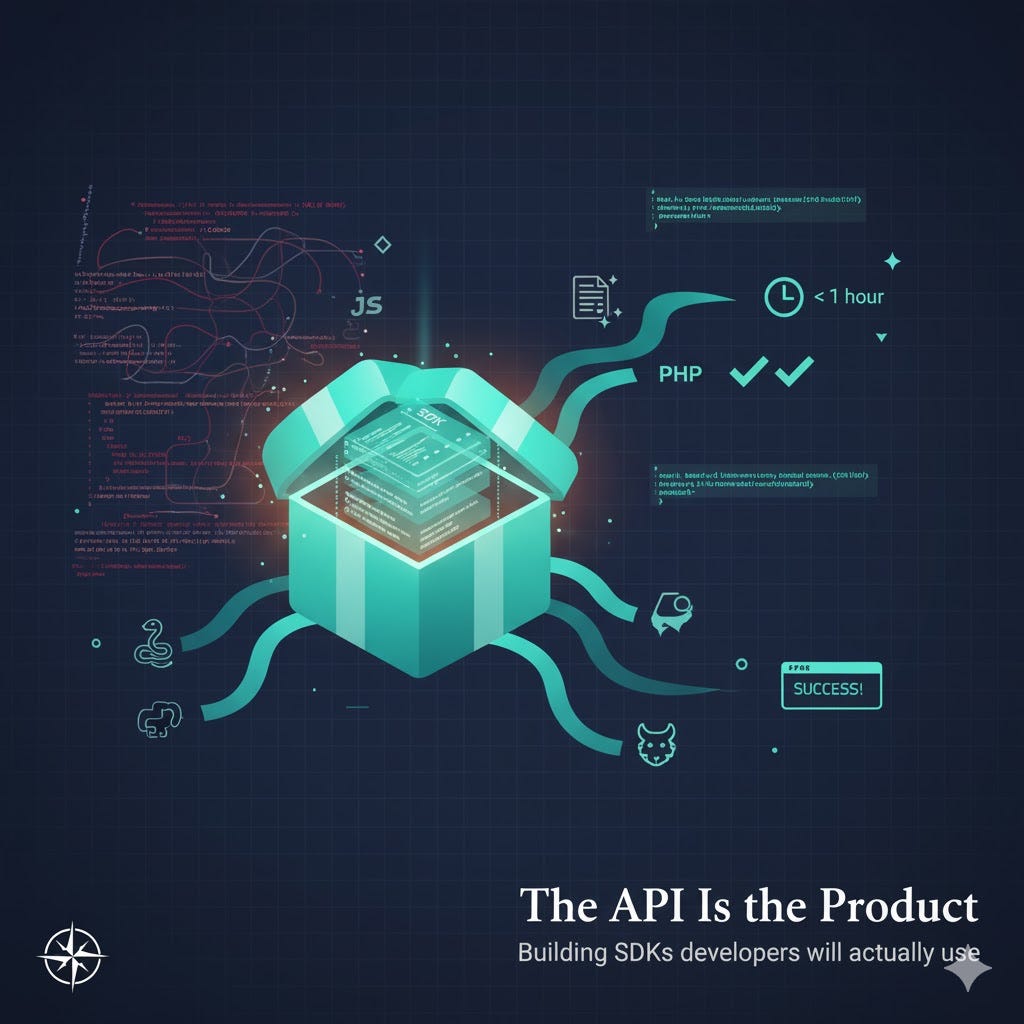
A technically perfect API with zero adoption is worthless.
59. Designing Fintech Across Fifteen Countries

What I learned designing VALK's platform across 15 countries - date formats, RTL, regulatory UI rules, and how to structure Figma for regional variants....
60. Why Your Retry Logic Is Taking Down Your System (And How to Fix It)
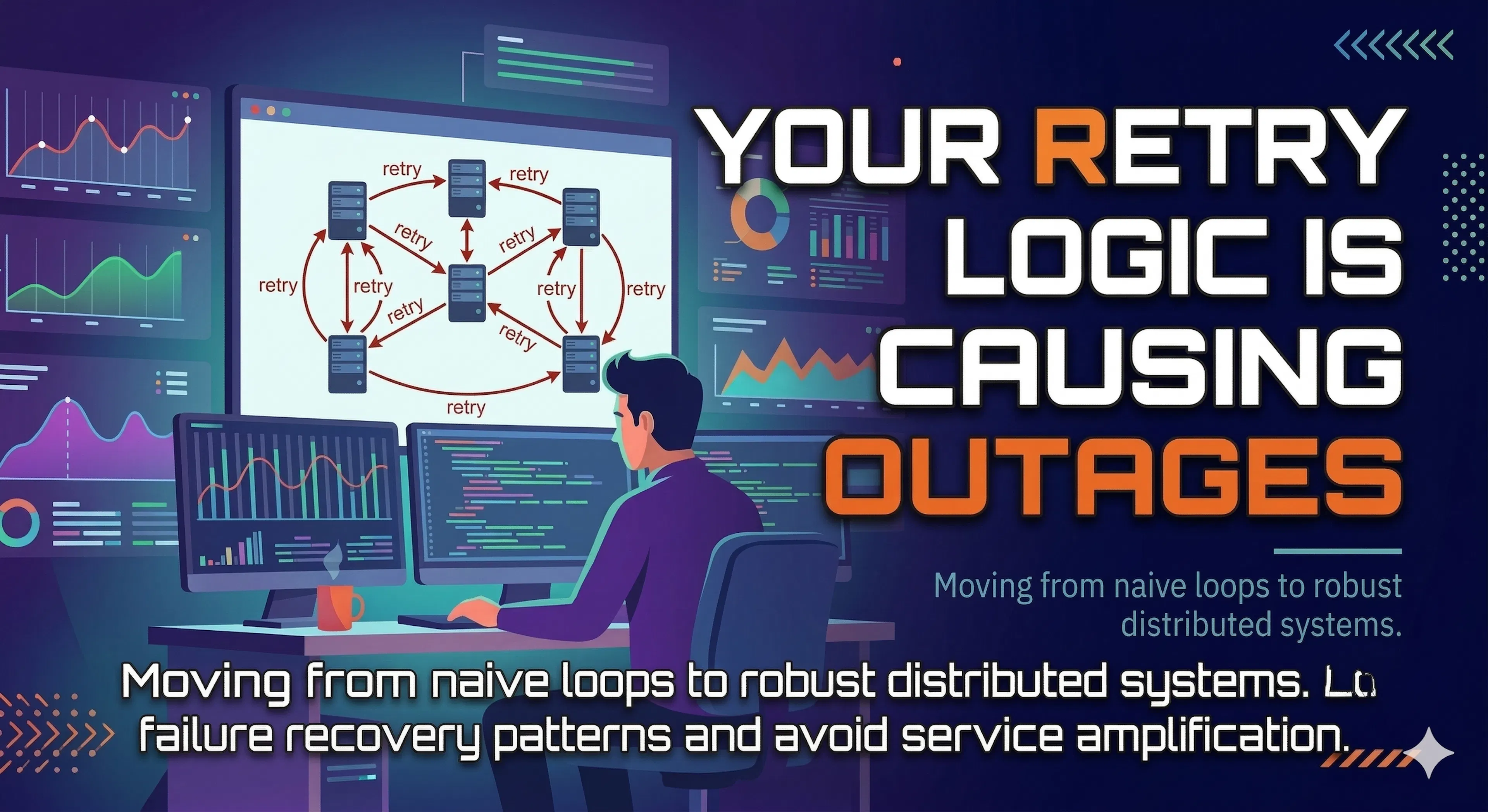
Naive retry logic can cause retry storms in distributed systems, amplifying failures and leading to cascading outages. Learn safer retry strategies.C
61. The New Software Stack of Code, Prompts, and Policies

Here is the breakdown of the new reality, and why "Prompt Engineer" isn't just a meme—it's your new architectural responsibility.
62. The Frontend is Gross: Why I've Always Preferred the Backend

6 reasons why I prefer backend development to frontend development.
63. How to Customize Appwrite Email Templates in Production
This article provides a comprehensive guide to customizing Appwrite's default email templates and translation strings for production environments.
64. How to Optimize Node.js with C++ Addons
This is a brief tutorial to learn how to optimize your Node.js code using optimizations with C++ addons.
65. Building 7 Apps at Once With ADHD Nearly Broke My Solo Founder Brain

What it actually looks like to run 7 simultaneous projects solo with ADHD - the failures, the systems that survived, and why I'll never take a cofounder....
66. Autonomous Agents at Scale: Lessons from Redis + Symfony Scheduler

By building an asynchronous foundation, we can successfully transform our AI agent from a manually-triggered tool into a fully autonomous, self-managing app.
67. Designing a Fintech Startup Alone From Bali

A solo designer shares lessons from building a fintech product remotely while traveling through Thailand, Vietnam, Bali, and the COVID lockdown.
68. How to Use AI in Web Development?
This article explores practical applications of AI across the website development lifecycle - from ideation to deployment.
69. How I Built a Personal Assistant Using Google Cloud and Vertex AI: mAIdAI

I realized I needed something different. Not another generic team bot, but a Personal AI Assistant — one that knows my specific context, my preferred shortcuts
70. The Path to a Seamless Web3: Account Abstraction from Flow (Part 2)

Walletless dApps from Flow use account abstraction to improve the web3 user experience. In part two, we walk through how to build the frontend for this dApp.
71. Launch Readiness Matters More Than Code

Launch day reveals what you should have built. Launch readiness is everything else.
72. Designing DeFi for People Who Hate DeFi

How I designed Merlin by VALK - a DeFi analytics tool built for traditional finance professionals who don't speak crypto-native language....
73. The Million-Dollar Bug: The Lessons That It Taught Me

What would happen if the “impossible” bug in your architecture actually occurred?
74. From Frontend Finesse to Backend Brilliance: A Journey in Full-Stack

Krishi Reddy Karkal’s journey from frontend empathy to backend logic and cloud mastery shows how full-stack skills drive innovation and system performance.
75. Creating a Marvel 'Guess The Decade' Game Using Alpine.js

Guess the Marvel Decade using Alpine.js and Cloudflare workers.
76. The Most Expensive Code is the Code Nobody Wants
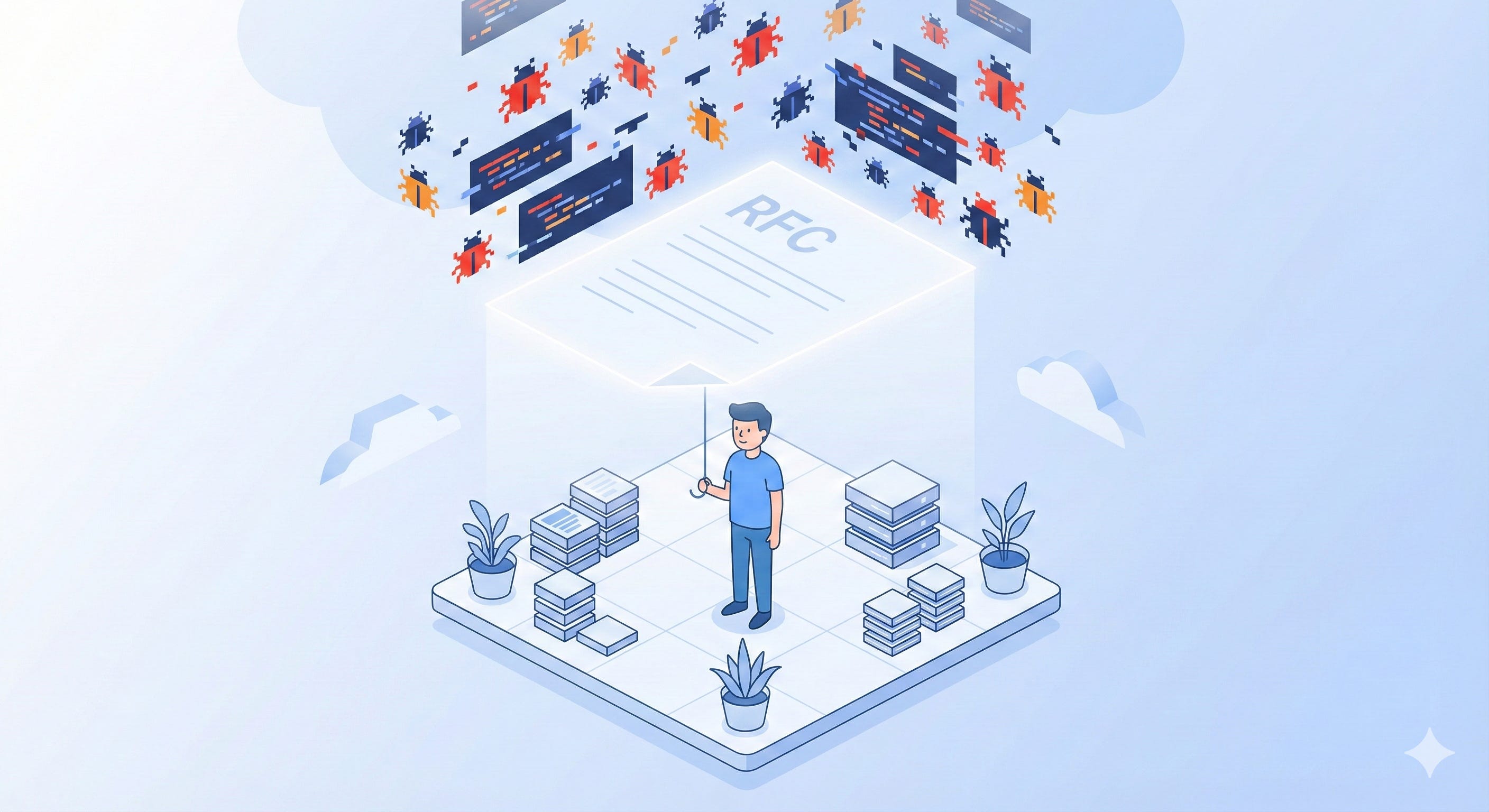
Segment broke its product into 140 microservices instead of a monolithic monolith. They had to burn months of effort to move everything back to a Monolith.
77. ROT13 at Warp Speed: A Practical Optimization Playbook
Complete optimization playbook for ROT13 cipher implementation. Learn SIMD, parallel processing, cache optimization, and CUDA techniques to achieve 13x speedup.
78. How to Extend the Expressiveness of AI Agents: Building With A2UI

This is the promise of A2UI (Agent-to-User Interface): a protocol that allows agents to “speak” UI natively.
Thank you for checking out the 78 most read blog posts about Backend Development on HackerNoon.
Visit the /Learn Repo to find the most read blog posts about any technology.
如有侵权请联系:admin#unsafe.sh