
Bitcoin was born in 2009, but it was just the first cryptocurrency around. According to CoinMarketCa 2026-7-13 21:43:14 Author: hackernoon.com(查看原文) 阅读量:16 收藏
Bitcoin was born in 2009, but it was just the first cryptocurrency around. According to CoinMarketCap (CMC), we have around 51.56 million different tokens by 2026 —and that’s not counting the smaller, custom, unlisted tokens. It can be really disorienting for any beginner who wants to explore beyond the most well-known names. But hey, we also have categories and types of crypto projects to organize this immense list.
Some platforms focus on payments, some others on decentralized applications (Dapps), while others power games, collectibles, and more. Here are five common types and what they bring to the table.
Crypto Payments
Obvious, but necessary. Bitcoin, of course, was the first one in this category. It’s been followed by a large legion of tokens that have tried to bring different functions to users, with different costs and mechanisms. The common goal, though, is to send and receive value worldwide, with minimal costs and in a decentralized manner. That means without any central authority capable of blocking or manipulating your funds.
Beyond this purpose, different altcoins offer different features. Dash, for instance, was one of the
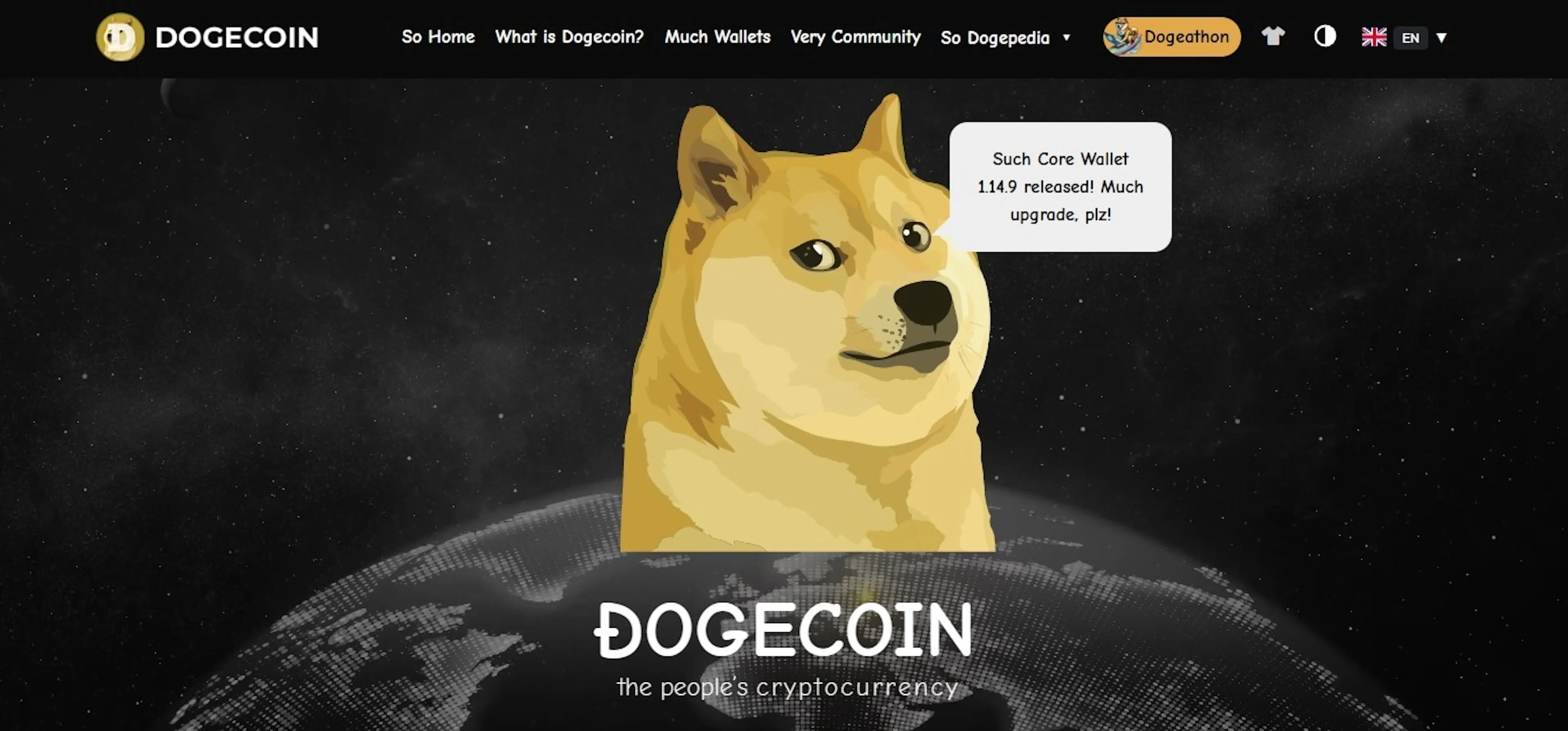
Others experiment with issuing custom assets and stablecoins directly on their platforms. A few networks also added tools such as decentralized identity systems, built-in exchanges, or human-readable
We can say that most cryptos have some payment functions, some more than others. Ultimately, it's just a matter of choosing the payment method and features that best suit you.
Smart Contracts
A
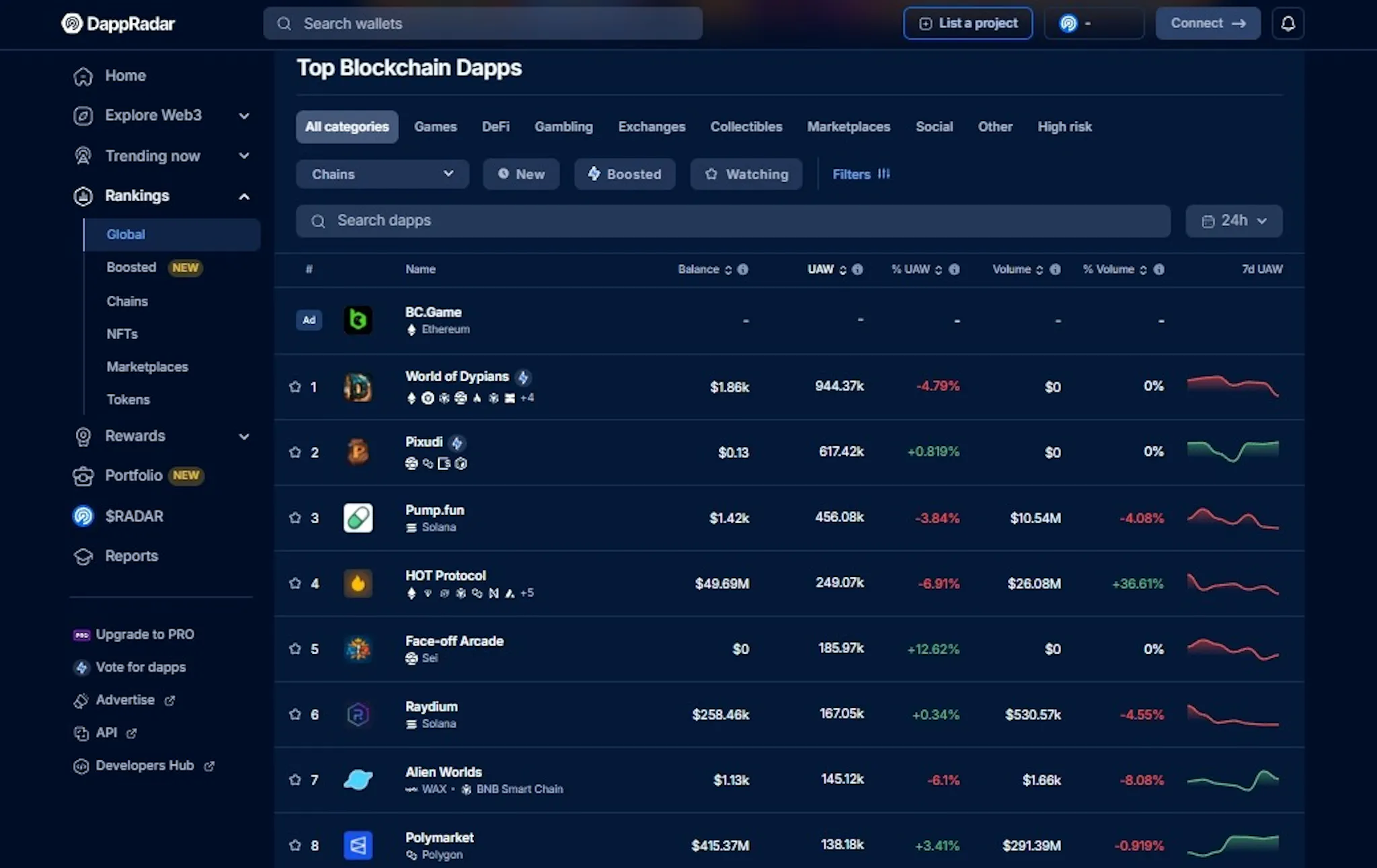
According to
Besides Dapps, a smart contract ecosystem can produce customized tokens, automated agreements, lending and borrowing systems,
Stablecoins
This type of project has just one goal: to provide a digital token with a largely stable price. While most cryptocurrencies, Bitcoin included, are known for dramatic chart swings, a stablecoin is designed to keep its own price no matter what. Especially with the support of an underlying asset, which is usually fiat currency —and often the USD. This way, a USD-pegged stablecoin aims to always remain close to one dollar, and there are actual dollars somewhere in the real world backing its value.

Not every stablecoin is fiat-backed, though. Some of them are algorithmic. It means they remain stable by using automated rules that adjust the coin's supply, rather than being backed by cash or other assets. This specific type is considered too risky since the
Fiat-backed stablecoins, on the other hand, are widely popular worldwide. They include household names like Tether (USDT), USD Coin (USDC), and the more recent World Liberty Financial USD (USD1). It’s important to mention that these brands have sacrificed decentralization in exchange for convenience. None of these coins is really decentralized, so they can be seized, frozen, and manipulated by the companies behind them.
Decentralized Finance
Technically, Decentralized Finance (DeFi) apps fall into the category of smart contracts and Dapps, but this specific field has grown to become its own small industry. According to CMC, DeFi projects have a collective market cap that surpasses $203.4 billion. Dapps related to staking,
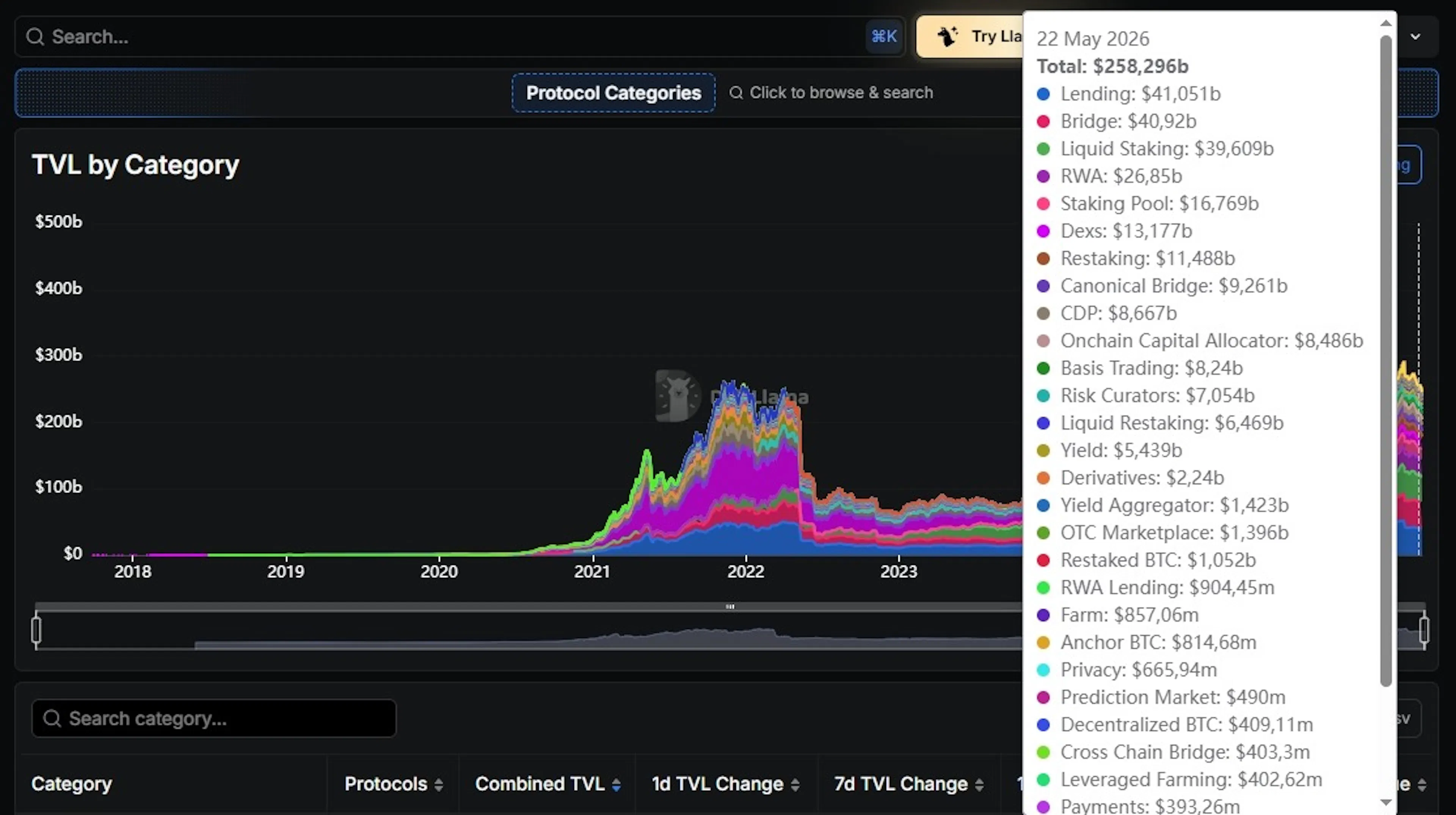 Total Value Locked (TVL) in DeFi apps by category. Chart by DeFiLlama
While these kinds of products in traditional finance often involve banks, brokers, complex requirements, and high fees, DeFi provides an option available for anyone with a crypto wallet and a few dollars. Without permission or significant barriers, a DeFi user can access a whole set of financial products to invest and earn. Sometimes, high amounts in very short periods.
Well-known platforms include Uniswap (DEX), Lido (liquid staking), Aave (lending), and EigenCloud (restaking). Of course, innovation comes with trade-offs. Smart contract bugs, market volatility, and governance disputes can create risks. For that reason, spend a decent amount of time Doing Your Own Research (
NFTs & Gaming
Non-Fungible Tokens (
Gaming projects embraced this idea quickly. Developers began creating virtual economies where players could own characters, weapons, costumes, or land parcels. Some of these items could be traded between users, creating entirely new digital marketplaces.
One of the most famous examples was Axie Infinity, a game that attracted millions of players during its peak period.
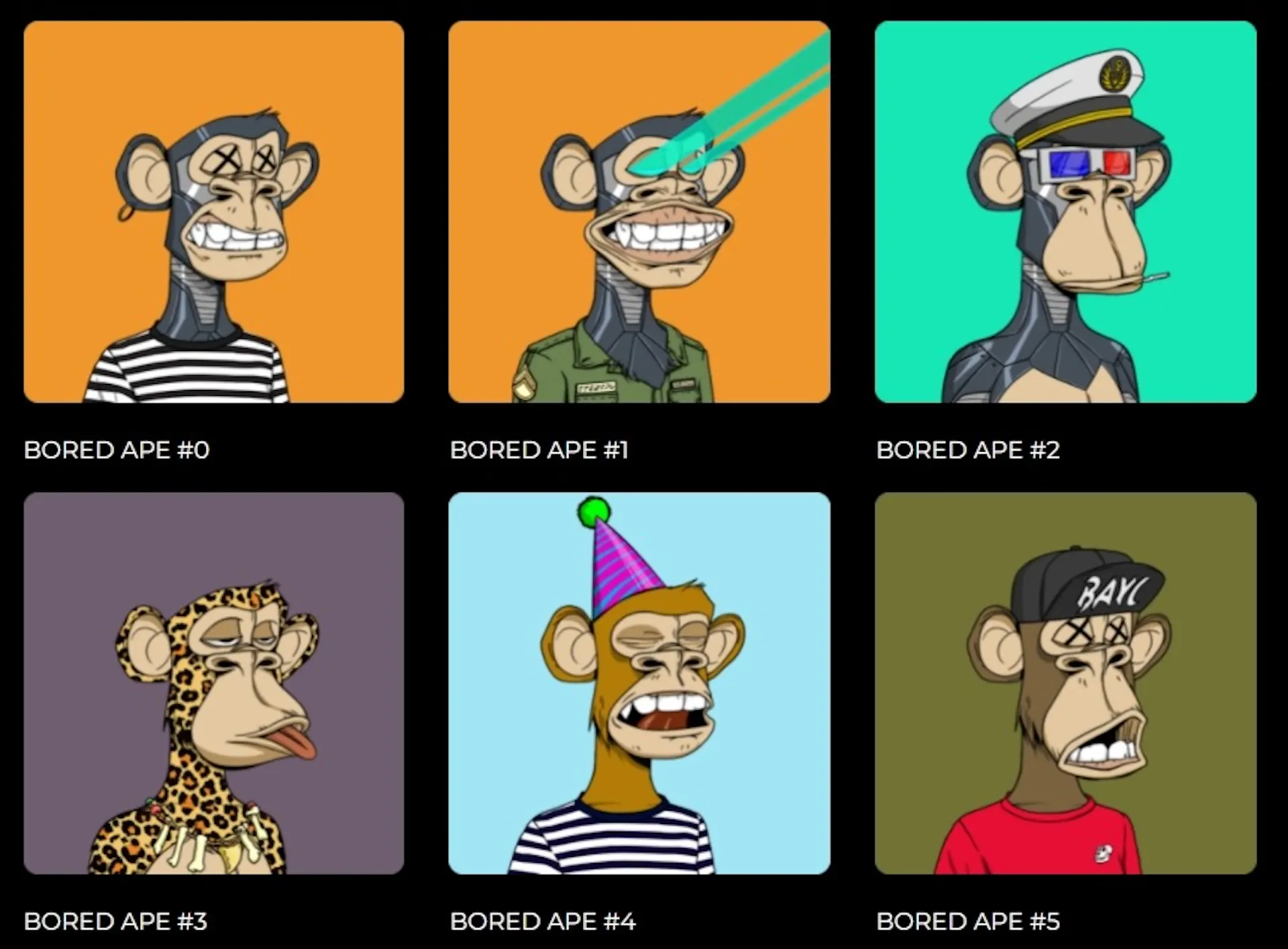
The NFT market has gone through periods of excitement and cooling interest, yet the underlying concept of digital ownership continues to influence gaming, collectibles, and online communities.
How To Choose?
As we can see, crypto projects come in many forms, and each category serves a different purpose. You can find these categories on websites like CoinMarketCap, CoinGecko, or CryptoSlate. They’ll often include prices, market caps, volume percentages, charts, summaries, and official links. You can start to DYOR this way —but don’t forget the
Now, if you’re trying to find a multipurpose and decentralized crypto ecosystem where you can find almost everything,
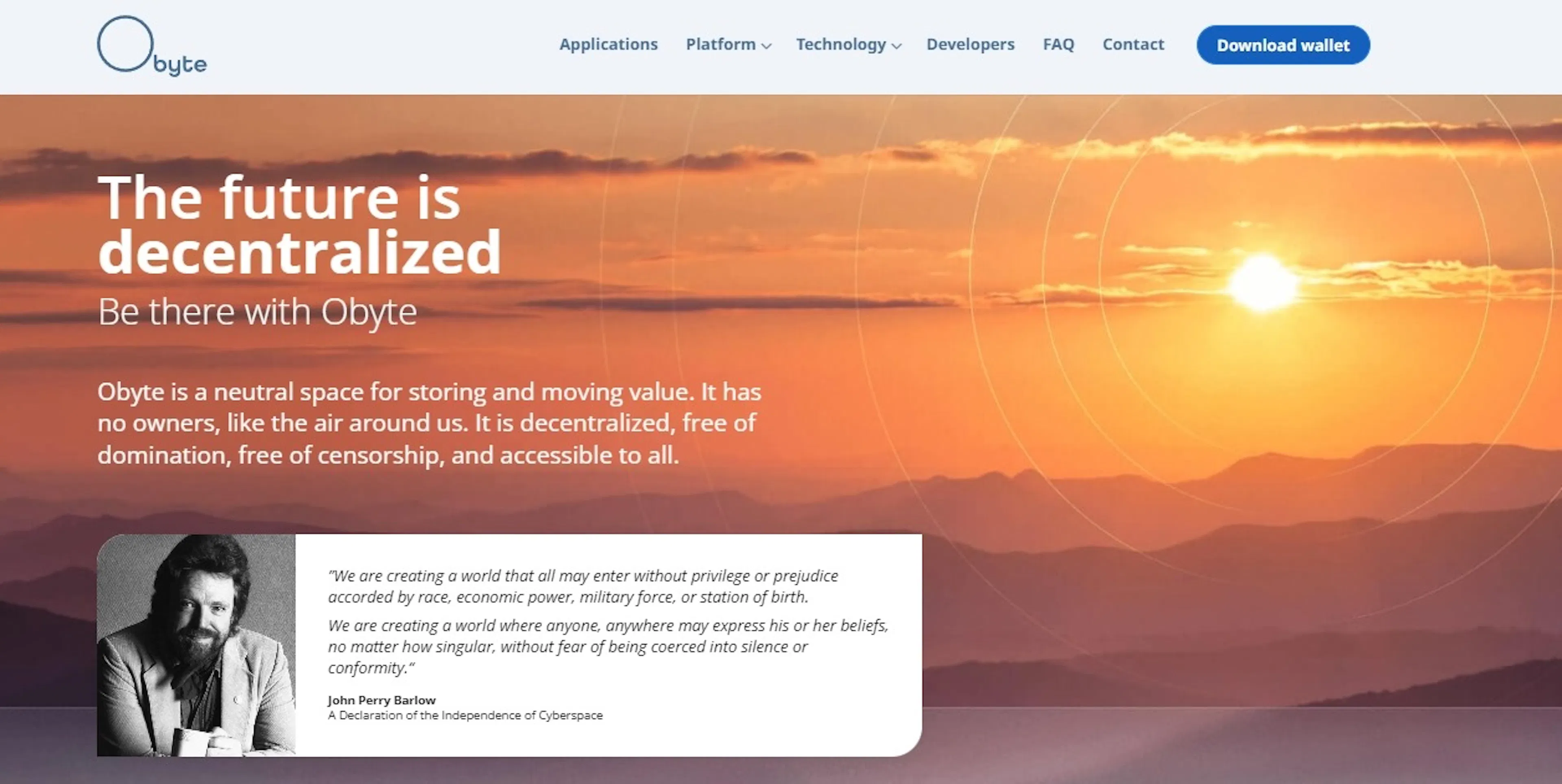
Behind these features is a Directed Acyclic Graph (DAG) architecture rather than a traditionally used blockchain. This design operates without miners, “validators”, or similar gatekeepers, allowing users to add transactions directly to the network without needing approval from any central authority.
Finally, remember that not every cryptocurrency is trying to solve the same problem. The more you learn about each category and its goals, the easier it becomes to spot projects that match your interests and values.
Featured Vector Image by vectorjuice/
如有侵权请联系:admin#unsafe.sh